
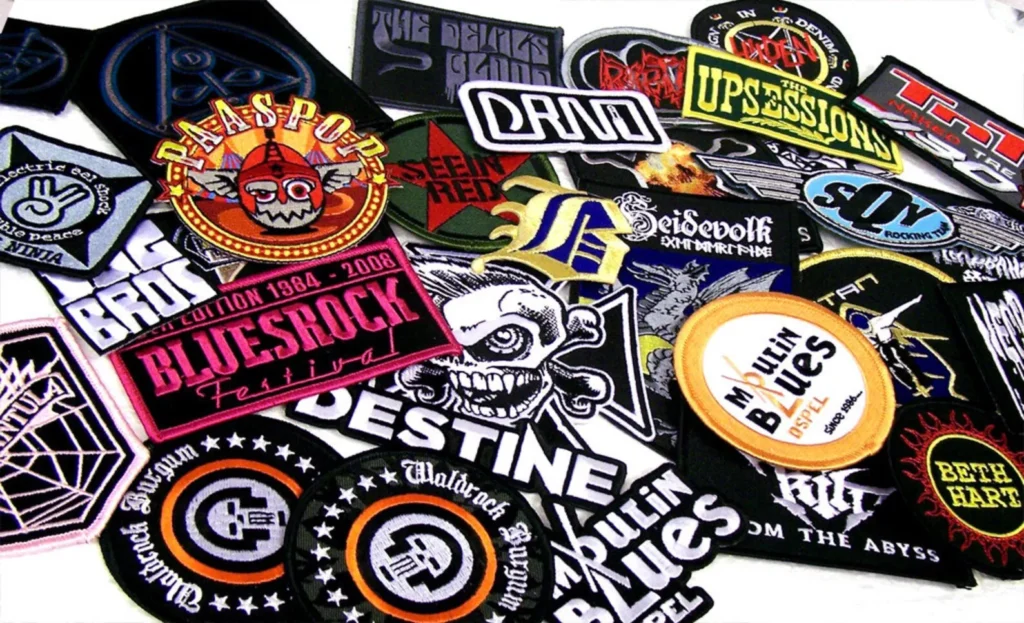
Choosing a custom patch sounds simple… until you actually have to choose one.
You might be designing patches for your clothing brand. Or maybe you’re ordering patches for uniforms, clubs, events, or merchandise.
You open Google, and suddenly you’re overwhelmed with terms like:
- Embroidered patches
- PVC patches
- Woven patches
- Iron on or sew on
- Velcro backing
- Sublimated patches
- Printed patches
And the questions start piling up:
- Which one looks better?
- Which one lasts longer?
- Am I choosing the wrong type?
Let me tell you something reassuring, almost everyone feels this way at first. Because patches aren’t just decorations. They represent identity, quality, and purpose. And once a patch is made, there’s no undo button.
But let’s look at it differently.
Custom patches aren’t about picking the most expensive option. They’re about picking the right option.
And just like any good decision, all it needs is a little guidance.
So here’s a complete, easy, no-confusion guide to help you understand every major type of custom patch, when to use it, and why it matters.
Before We Begin: What Are Custom Patches Really For?
At their core, custom patches are small symbols with big meaning. They can represent:
- A brand’s identity
- A team’s unity
- A person’s role or rank
- A memory, achievement, or message
Unlike prints that fade or crack, patches stay. They travel with the garment. They age with it. And when chosen correctly, they quietly speak quality.
Now let’s walk through the types, one by one, without rushing.
Types of Custom Patches
Embroidered Patches
If custom patches had a “classic” category, embroidered patches would sit right at the top.
They’re made by stitching threads onto a fabric base, creating a slightly raised, textured design you can feel with your fingers.
You’ve probably seen them on:
- uniforms
- jackets
- caps
- backpacks
Why People Still Love Embroidered Patches
Because they feel dependable.
They look solid.
They last long.
They don’t go out of style.
Embroidered patches are excellent for logos, symbols, and text that don’t rely on tiny details.
One Thing to Keep in Mind
Very fine lines or extremely small text may not appear sharp, simply because embroidery thread is thick by nature.
Still, when someone wants something that feels “proper” and long-lasting, embroidered patches are often the first and safest choice.
PVC Patches
Now let’s talk about PVC patches, the tough ones.
These patches are made from soft rubber-like plastic instead of fabric. They’re molded, not stitched, which allows bold shapes and clean edges.
Why PVC Patches Exist
Because not everything lives indoors.
PVC patches are:
- waterproof
- weather-resistant
- flexible but extremely durable
Rain, heat, dirt, rough use, PVC patches handle it all without complaint.
That’s why you’ll often see them on:
- tactical gear
- outdoor backpacks
- military and security uniforms
A Small Reality Check
They’re heavier than fabric patches and feel more rugged than soft. So while they’re excellent for performance use, they may feel too bold for delicate fashion pieces.
Woven Patches
At first glance, woven patches may look similar to embroidered patches. But the difference becomes clear the moment you look closely.
Woven patches use much thinner threads, woven tightly together to create a smooth, flat surface.
Why Woven Patches Are Chosen
Because details matter.
If your design includes:
- small lettering
- thin lines
- intricate logos
Woven patches usually capture them better than embroidery. They feel clean. Polished. Professional.
One Trade-Off
They don’t have that raised, textured feel that embroidered patches do. But for many brands, clarity matters more than texture.
Chenille Patches
Chenille patches don’t whisper. They announce themselves.
Made using thick yarn, they have a soft, fuzzy, almost towel-like texture. Think varsity jackets, college apparel, and bold letters.
Why Chenille Patches Stand Out
Because they’re meant to.
They feel:
- bold
- nostalgic
- playful
- premium
They’re not designed for fine details. They’re designed for impact.
Best Used When
Your design is big, confident, and meant to be seen from across the room.
Leather Patches
Leather patches don’t try to grab attention. They don’t need to.
Made from genuine or synthetic leather, these patches are often embossed or engraved rather than colorful or loud.
Why Leather Patches Feel Premium
They age beautifully. They feel authentic. They suggest quality without saying a word.
That’s why they’re commonly found on:
- denim jeans
- jackets
- caps
- bags
Something to Remember
Leather patches aren’t about bright colors or complex artwork. They’re about simplicity and character.
Iron On Patches
Iron on patches are exactly what they sound like.
They come with a heat-activated adhesive on the back. You place them on fabric, apply heat, and they stick.
Why People Love Iron On Patches
Because they’re easy.
No sewing.
No tools.
No waiting.
They’re perfect for:
- DIY projects
- casual clothing
- quick customization
A Gentle Warning
Iron on patches can loosen over time, especially after repeated washing. Many people reinforce them with stitching for extra security.
Sew On Patches
Sew on patches are stitched directly onto fabric, by hand or machine.
Why Sew On Patches Are Trusted
Because once they’re on, they’re not going anywhere.
They handle:
- heavy washing
- daily wear
- long-term use
That’s why uniforms and workwear almost always rely on sew on patches.
The Only Downside
They require sewing, which means time, skill, or tailoring help.
Velcro Patches
Velcro patches are made for change.
They use hook-and-loop backing, allowing patches to be attached, removed, and replaced whenever needed.
Why Velcro Patches Make Sense
They’re practical.
Perfect for:
- name tags
- ranks
- role changes
That’s why military and security teams use them so often.
Keep in Mind
Velcro adds thickness and isn’t ideal for lightweight or delicate garments.
Sublimated Patches
Sublimated patches are printed using heat-transfer technology that embeds ink into the fabric.
Why Sublimated Patches Are Special
They allow:
- unlimited colors
- gradients
- photo-like detail
If your design looks more like artwork than a logo, sublimation might be the answer.
A Small Trade-Off
They don’t have texture and may not last as long as embroidered or PVC patches under heavy use.
Printed Patches
Printed patches are created by printing designs directly onto fabric.
Why Printed Patches Exist
They’re affordable.
They’re fast.
They work well for large quantities.
They’re often used for:
- events
- promotions
- temporary branding
Just Be Honest With Expectations
They’re not designed for long-term wear. And that’s okay, when used for the right purpose.
So… Which Patch Is Right for You?
Before choosing, pause and ask yourself:
- Where will this patch be used?
- How long does it need to last?
- Does detail matter more than texture?
- Is this fashion, function, or promotion?
There’s no best patch. Only the right one.
Final Thoughts
Custom patches may be small, but the decision behind them isn’t.
When you choose the right type:
- your design looks better
- your product feels more intentional
- your brand feels more confident
And just like that nursery journey, it’s not about perfection. It’s about preparation.
Now that you understand embroidered patches, PVC patches, woven patches, chenille patches, leather patches, iron on patches, sew on patches, Velcro patches, sublimated patches, and printed patches, you’re no longer guessing.
You’re choosing with clarity. And that makes all the difference.