
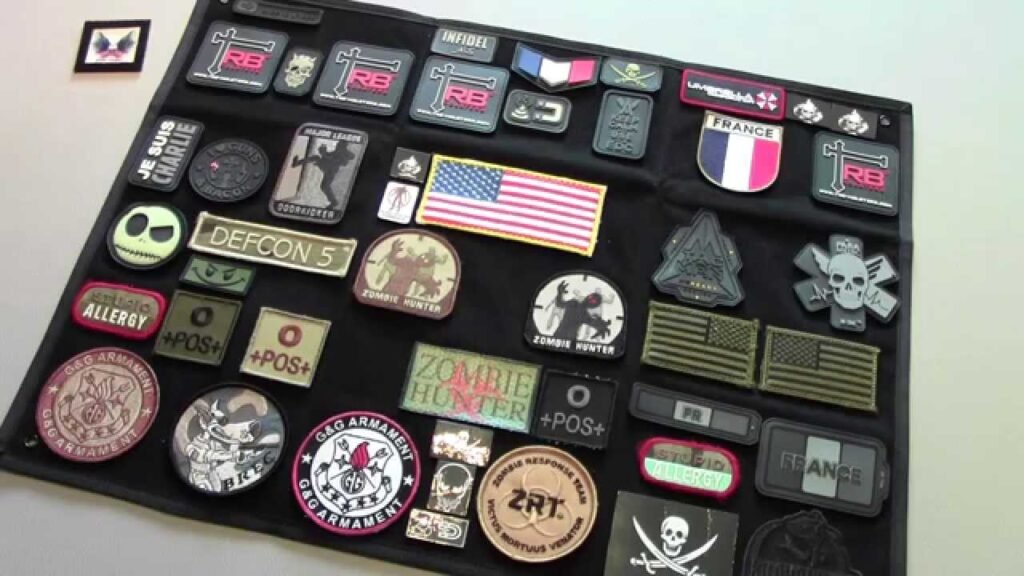
When most people see a military or tactical patch, they just see a small design on a uniform.
But to the person wearing it?
It can represent rank, honor, sacrifice, identity, unit pride, and sometimes even survival. In the USA, military and tactical patches are not just decorations. These are the powerful symbols that convey deep conceptual significance. Every shape, color, and thread can tell a story, about where someone served, what they trained for, or the team they belong to.
The guide provides complete information about their meaning, design process, and cultural significance through its simple, clear language.
What Are Military & Tactical Patches?
Military and tactical patches serve as identification patches which military personnel use to display their branch of service and unit affiliation and their military rank and specialized abilities and national identity and team dedication.
The embedded symbols provide an answer to the question of your personal identity and the values which you choose to display.
In the U.S. armed forces, these patches serve as identification for all branches including the army and navy and air force and marine corps and space force and national guard and law enforcement and SWAT teams and security agencies and private tactical units.
A Quick Look at History
Military patches in the U.S. became popular during World War I. Soldiers required an identification system which would enable them to recognize battlefield units. The introduction of Shoulder Sleeve Insignia (SSI) began at that time.
Over time, patches became more than identification. They became:
- Symbols of bravery
- Signs of experience
- Marks of belonging
Today, they are part of a strong tradition that connects generations of service members.
Main Types of Military Patches
Let’s break this down in a simple way.
- Unit Patches
These show which unit or division a service member belongs to.
Examples:
- 101st Airborne Division
- Navy SEAL Teams
- Marine Expeditionary Units
These patches build unit pride. They say, “This is my team.”
- Rank Patches
These show the service member’s position in the chain of command.
Examples:
- Sergeant
- Captain
- Major
- Colonel
Rank patches help maintain order and respect within the forces.
- Flag Patches
The American flag patch is one of the most recognized. You may notice something interesting:
On military uniforms, the flag often looks backward. This is called the reverse flag. It represents the flag moving forward, like a soldier charging ahead, never retreating.
- Morale Patches
These are not always official. They are used to boost team spirit. They may include:
- Motivational phrases
- Humor
- Inside jokes
- Symbols of pride
They help soldiers and tactical teams stay connected, especially in high-stress environments.
- Specialty & Skill Patches
These show special training or achievements.
Examples:
- Airborne wings
- Sniper qualification
- Medical corps insignia
- Explosive Ordnance Disposal (EOD)
They tell others: “I’ve trained for this.”
- Blood Type Patches
In combat zones, quick medical info can save lives. Blood type patches make it easier for medics to act fast.
What Makes Tactical Patches Different?
Military patches follow strict regulations. Tactical patches are more flexible and are often used by:
- Police units
- SWAT teams
- Private security
- Airsoft and paintball teams
- Outdoor survival groups
They still serve the same purpose, identity, function, and teamwork, but allow more customization.
Materials Used in Military & Tactical Patches
Not all patches are made the same. The material matters, especially in harsh environments.
- Embroidered Patches
- Made with thread stitching
- Traditional military look
- Professional appearance
- Good for uniforms
- PVC (Rubber) Patches
- Waterproof
- Flexible
- Durable in mud, rain, and heat
- Ideal for tactical gear
- Woven Patches
- Smooth surface
- Allows fine details
- Lightweight
- Leather Patches
- Used for heritage-style gear
- Less common in combat
Backing Types (How Patches Attach)
- Sew-On
Most secure and traditional method.
- Velcro (Hook & Loop)
Very popular in tactical use. Easy to remove and swap.
- Iron-On
Less common in military use, more in civilian gear.
Why Patches Matter So Much
To outsiders, it’s a badge. To the wearer, it’s identity. Patches can represent years of training, missions completed, units served with, bonds built in tough times. They remind service members of their journey.
Rules & Regulations in the U.S. Military
The U.S. Armed Forces follow strict rules about patches:
- Placement is regulated
- Size is standardized
- Colors may change for combat (subdued versions)
- Unauthorized patches are not allowed on official uniforms
Subdued patches use colors like tan, brown, black, or olive to blend with uniforms.
Patches in Law Enforcement & SWAT
Police and SWAT patches help identify:
- Department
- Unit
- Role
They are also designed for visibility, durability, and fast recognition in operations.
Civilian Use of Tactical Patches
Today, tactical patches are used by civilians for:
- Outdoor adventures
- Survival kits
- Hunting gear
- Backpack decoration
- Airsoft teams
But it’s important to avoid copying official military insignia unless authorized.
Designing a Military or Tactical Patch
Good patch design is simple and meaningful.
Key elements include:
- Clear symbols
- Strong colors
- Easy-to-read text
- Durable material
The goal is recognition at a glance.
Common Symbols and Their Meanings
| Symbol | Meaning |
| Eagle | Strength, freedom |
| Skull | Fearlessness |
| Sword | Defense and combat |
| Shield | Protection |
| Lightning bolt | Speed, power |
| Star | Rank or excellence |
Why PVC Patches Are Popular in Tactical Gear
PVC patches are rising in popularity because they:
- Handle rain and mud
- Do not fade easily
- Hold 3D designs
- Last longer than thread in harsh environments
Emotional Value of Patches
For many veterans, patches become keepsakes. They hold memories of:
- Friends
- Missions
- Achievements
- Life-changing experiences
They are often displayed in homes long after service.
Collecting Military Patches
Patch collecting is a serious hobby in the U.S. Collectors trade patches from:
- Different wars
- Special units
- Historical periods
Some rare patches are highly valuable.
Future of Military & Tactical Patches
Technology is changing patch design:
- Reflective materials
- Infrared recognition
- High-durability rubber
- Digital camouflage designs
But the meaning behind them remains the same, identity and pride.
Final Thoughts
Military and tactical patches in the USA are small in size but massive in meaning. They represent:
- Duty
- Teamwork
- Skill
- Honor
- Belonging
Whether worn by soldiers, officers, or tactical teams, these patches tell stories without words. And that’s why they matter, not just as fabric, but as symbols of service, strength, and identity.