
When you’re in EMS or any first responder role, your gear is not just about appearance, it’s about performance.
From uniforms to boots, everything must handle real-world pressure. Rain, heat, long shifts, constant movement… Nothing gets an easy ride.
And yes, even something as small as a patch has to keep up.
So the big question many EMS teams ask is simple:
Should you go with PVC patches or embroidered patches?
Let’s break it down in a clear, practical way, so you can choose what actually works on the job, not just what looks good on paper.
First, What’s the Real Difference?
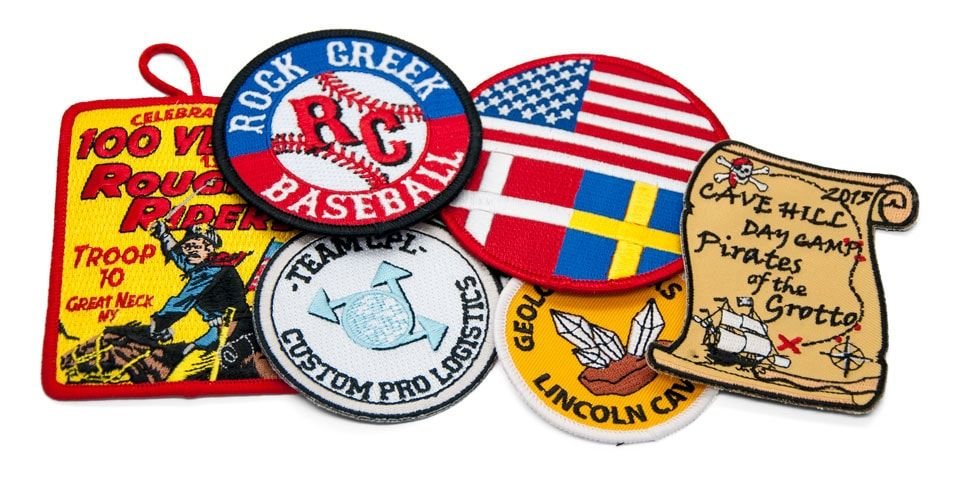
This comparison needs a straightforward approach which requires basic elements to begin. The process of creating embroidered patches requires stitching thread into fabric. The textured appearance of these materials creates a timeless design which has been used in EMS fire and police uniforms throughout multiple decades.
Soft rubber-like plastic serves as the material for creating PVC patches. The patches achieve their three-dimensional appearance through molding processes which create raised designs instead of using stitching methods. The actual performance of two products which serve the same purpose shows significant differences.
Durability: Which One Survives the Toughest Conditions?
People who work outdoors in their jobs which involve emergency response work or handle weather conditions that are not expected should have equipment which lasts through all their needs.
PVC Patches
PVC patches are built for rough environments.
- Waterproof and weather-resistant
- Do not fray or tear easily
- Hold shape under heat, cold, and moisture
- Colors don’t fade quickly
They’re often used on tactical gear, vests, and bags because they can handle extreme wear.
Embroidered Patches
Embroidered patches are strong, but not invincible.
- Threads can fray over time
- Absorb water and sweat
- Can fade after repeated washing
- Edges may wear out with heavy use
They still hold up well on standard uniforms, but not always in harsh field conditions.
Verdict:
If you’re constantly in tough environments, PVC clearly lasts longer.
Weather Resistance: Rain, Sweat, and Heat
EMS teams don’t get to choose the weather. You respond in rain, humidity, dust, and everything in between.
PVC
- Completely water-resistant
- Doesn’t absorb sweat
- Easy to wipe clean
- Maintains structure even when soaked
Embroidered
- Absorbs moisture
- Can stay damp longer
- Threads may weaken over time
Verdict:
PVC is the better choice for wet or unpredictable environments.
Appearance: Professional vs Tactical Look
Now let’s talk about how they look,because identity still matters.
Embroidered Patches
- Classic and traditional
- Textured stitching gives a premium feel
- Common on dress uniforms and station wear
- Easier to read from a distance (in some designs)
PVC Patches
- Bold, modern, and slightly rugged
- 3D layered design makes logos pop
- Cleaner edges and sharper detail
- Often used on tactical or operational gear
Verdict:
- Want a formal, traditional EMS look? → Embroidered
- Want a modern, tactical vibe? → PVC
Comfort and Flexibility
You wear your uniform for long shifts, so comfort matters more than people think.
Embroidered
- Softer feel against fabric
- More breathable
- Better for shirts and light uniforms
PVC
- Slightly heavier
- Rubber texture can feel stiff on some fabrics
- Better suited for outer gear (jackets, vests, bags)
Verdict:
For everyday uniform wear, embroidery feels more comfortable.
Detail and Design Possibilities
EMS patches often include small text, symbols, and unit identifiers.
PVC
- Allows raised 3D elements
- Crisp, bold designs
- Great for simple logos and symbols
Embroidered
- Better for fine detail and small lettering
- Thread work can handle intricate designs more clearly
Verdict:
- Complex design? → Embroidered
- Bold, simple, high-impact design? → PVC
Real Feedback from the Field (What People Actually Prefer)
From real-world discussions among first responders and tactical gear users:
“PVC, tends to last longer in the field.”
“We wear PVC patches on rain jackets, dress uniforms still embroidered.”
This tells you something important:
Many teams don’t choose one, they use both, depending on the situation.
Maintenance and Cleaning
Let’s be honest, EMS gear gets dirty.
PVC
- Can be wiped clean instantly
- Doesn’t trap dirt
- Low maintenance
Embroidered
- Needs proper washing
- Can trap dust and grime in threads
- May lose shape over time
Verdict:
PVC is easier to maintain during busy shifts.
Cost and Replacement
Cost always plays a role, especially for departments ordering in bulk.
- Embroidered patches are usually more affordable for large orders
- PVC patches may cost slightly more due to molding and materials
However…
PVC lasts longer, so replacements may be less frequent.
Verdict:
- Short-term budget → Embroidered
- Long-term value → PVC
Best Use Cases (This Is What Really Matters)
Instead of choosing one, think about where and how the patch will be used.
Go for PVC if:
- You work in outdoor or extreme conditions
- You need waterproof, rugged performance
- The patch is for vests, bags, or jackets
- You want a bold, tactical look
Go for Embroidered if:
- It’s for daily uniform shirts
- You want a traditional EMS appearance
- Your design includes fine details or text
- Comfort is a priority
Quick Comparison Table
| Feature | PVC Patches | Embroidered Patches |
| Durability | Excellent (field-ready) | Good (uniform use) |
| Water Resistance | Waterproof | Absorbs moisture |
| Appearance | Modern, 3D | Classic, textured |
| Comfort | Slightly stiff | Soft and flexible |
| Detail | Bold designs | Fine detail friendly |
| Maintenance | Easy wipe clean | Needs washing care |
So, Which One Holds Up Better on the Job?
Here’s the honest answer:
PVC patches hold up better in harsh, real-world conditions. Embroidered patches still win for tradition, comfort, and formal uniforms. That’s why many EMS and paramedic teams don’t choose one over the other.
They use:
- Embroidered patches for station uniforms and formal wear
- PVC patches for field gear and high-impact environments
Final Thoughts
In EMS work, small details matter more than people think. A patch is not just about identity, it’s about durability, function, and practicality.
When your shift includes:
- Rain-soaked scenes
- Long hours on the road
- Constant movement and pressure
Your gear needs to keep up. And in those moments, the right patch choice is not about style, it’s about performance. Choose what matches your environment, not just your preference.